Why Mounting OneDrive on macOS Is a Smart Move
The steps below are written for macOS; the Windows build follows the same flow and needs one extra driver — see the Windows notes further down.
Working directly on OneDrive files from Finder is far less painful than the official sync client, which insists on tracking every folder you tick. A mounted drive streams files on demand, so you can have a 1 TB OneDrive without giving up a chunk of your Mac's SSD. And because the mount looks like an ordinary folder, every macOS app — Word, Excel, Preview, Pages, VS Code — sees OneDrive as a native location.
Watch the full OneDrive mount walkthrough — or keep reading for the step-by-step.
- 🧩 Native Finder Integration — Your OneDrive shows up as a regular folder and a mounted Finder volume, so any macOS app can open and save into it without installing Microsoft's helper app.
- 💾 No SSD Hostage Situation — Unlike OneDrive's default "Always keep on this device" behavior, mounting streams files on demand. Even a 1 TB Microsoft 365 OneDrive only spends disk space on the files you actually open.
- ⚡ Real-Time Access to Cloud Files — Changes made from another device — your Surface, the OneDrive web app, or a Word doc shared by a colleague — appear in your mount after the next poll cycle.
- 🛡️ Read-Only Mode for Safety — If you just want to browse Office docs or pull archived files, mount OneDrive read-only and Finder will block any accidental writes.
- ☁️ 5 GB Free, 1–6 TB with Microsoft 365 — Every Microsoft account starts with 5 GB at no cost, and Microsoft 365 Personal includes 1 TB, while Family bundles up to 6 TB across users — making OneDrive one of the most space-generous mountable clouds.
How Mounting a Cloud Drive Works (and Why It's Different from Sync)
The official OneDrive sync client copies files down to your hard disk and keeps both sides matched. That's safe and offline-friendly, but it can quietly fill a 256 GB MacBook with files you only open once a quarter.
Mounting flips the model. OurClone presents OneDrive as a virtual filesystem — the folder structure is visible right away, but file contents are only fetched when you actually open something. Frequently used files are cached locally for instant repeat access, and writes are pushed back to OneDrive in the background.
OurClone makes both the polling interval (how often it checks OneDrive for remote changes) and the maximum cache size configurable, plus a read-only switch when you want extra protection against accidental edits.
- 🚀 Stream files on demand — no need to download the whole drive
- 💾 Saves Mac disk space by caching only what you actually open
- 🔁 Two-way sync — edits in the mounted folder push back to OneDrive
- 🛡️ Read-only mode prevents accidental writes when you only need to browse
What to Know Before You Mount OneDrive
A little planning before you click Mount will save you from cleaning up a messy mount point later.
- 📁 Pick the Right Mount Source — You can mount a specific OneDrive folder (say
/Documentsor/Pictures) for focused access, or mount the entire drive root for full Finder browsing. Mounting a subfolder usually feels snappier. - 🖥️ Choose a Sensible Local Mount Point — Use a dedicated, empty folder like
~/CloudMounts/OneDrive. Don't aim it at your Desktop or any folder with files already inside — the mount will hide them. - 🔒 Read-Only vs Read-Write — Read-only is safer when you only need to browse Office docs or grab archived files. Pick read-write if you need to save from Word, Excel, or drag in new files. Remember: read-only mode literally cannot upload — Save dialogs will fail.
- ⏱️ Set a Reasonable Polling Interval — Lower intervals catch remote changes faster but burn more Microsoft Graph API calls. Higher intervals are quieter on the network. 30–60 seconds works well for most workflows.
- 💽 Plan Your Cache Size — A bigger cache makes repeat opens snappy but eats local SSD. A few GB is plenty for typical Office files; bump it up if you regularly reopen larger media.
How to Mount OneDrive on macOS with OurClone
OurClone makes mounting OneDrive on macOS refreshingly painless. Step 1 uses Microsoft's standard OAuth 2.0 flow — no API keys, no app passwords, just a browser login — and from there you're four clicks away from a Finder-ready volume.
- 🔗 Connect OneDrive via Browser — Open OurClone and go to
Add Storage. Select OneDrive from the provider list. A browser window will open automatically — log in to your Microsoft account and authorize OurClone to access your storage. Once approved, OneDrive will appear as a connected destination. - 📂 Open the Mount Tab and Click New Mount — Once OneDrive is connected, go to the
Mounttab in OurClone. Click the New Mount button in the top-right corner to open the mount configuration dialog. - ⚙️ Configure the Mount Settings — In the dialog, pick OneDrive as the authorized source. Choose what to mount — a specific cloud folder (e.g.,
/Documents) or the entire drive. Then pick a local folder as the mount point (something like~/CloudMounts/OneDrive). Choose Read-only if you just want to browse, or Read-write if you need to upload and edit. Optionally tweak the polling interval (how often OurClone checks OneDrive for changes) and max cache size. Click Mount to finish. - 🗂️ Use Your OneDrive Mount Like a Local Folder — Open the local folder you picked as the mount point. macOS now treats it as a mounted volume — you can browse, open, create folders, drag in files, and delete items just like any local folder. For example, create a new
backupfolder inside and drop in a few photos. OurClone streams the changes to OneDrive in the background. - ✅ Confirm the Sync on OneDrive — Switch back to OurClone and open your OneDrive storage from the file browser — your new
backupfolder and uploaded photos should already be listed. For extra peace of mind, log in to the OneDrive web portal and confirm the files appeared there too.
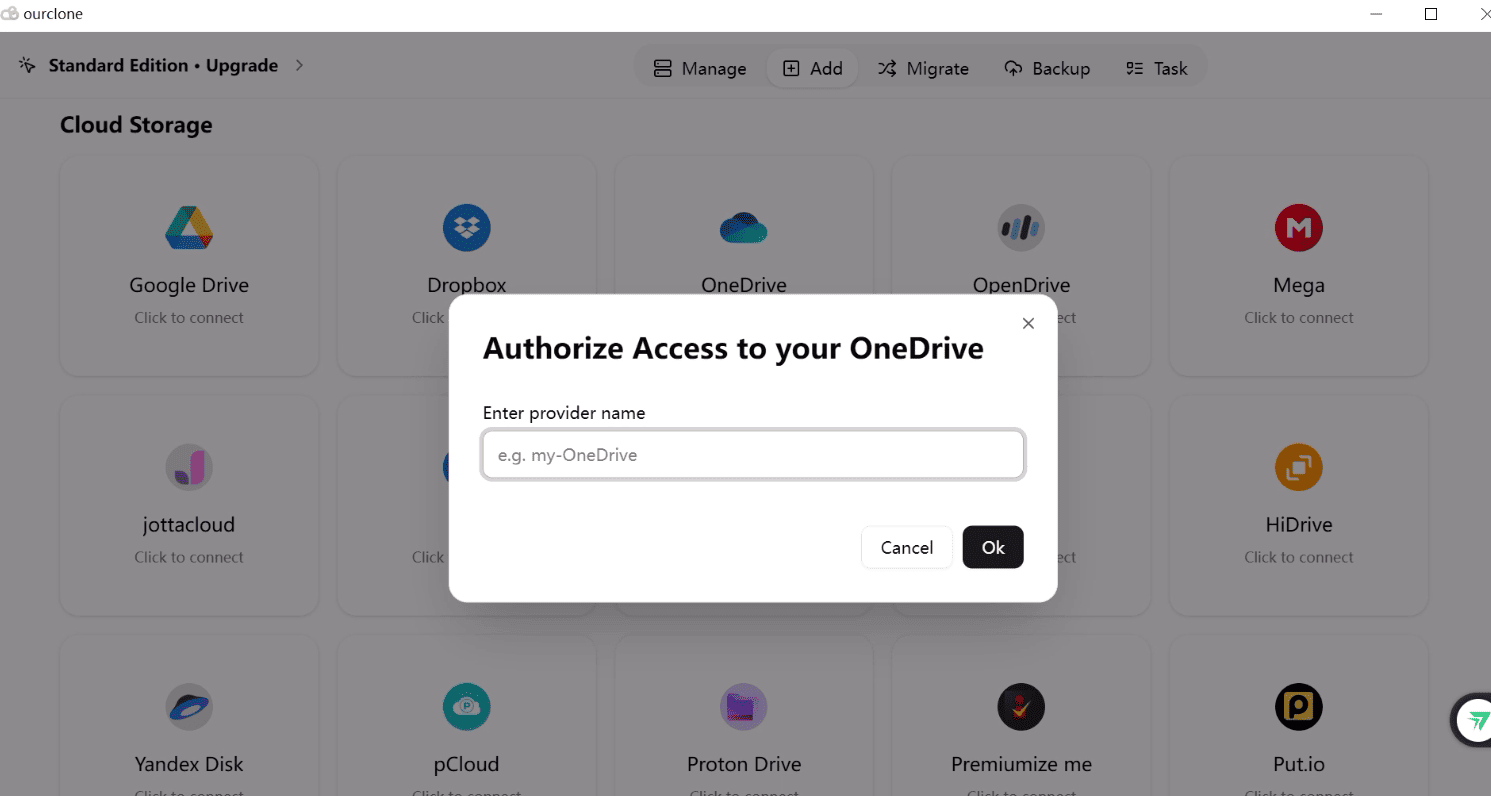
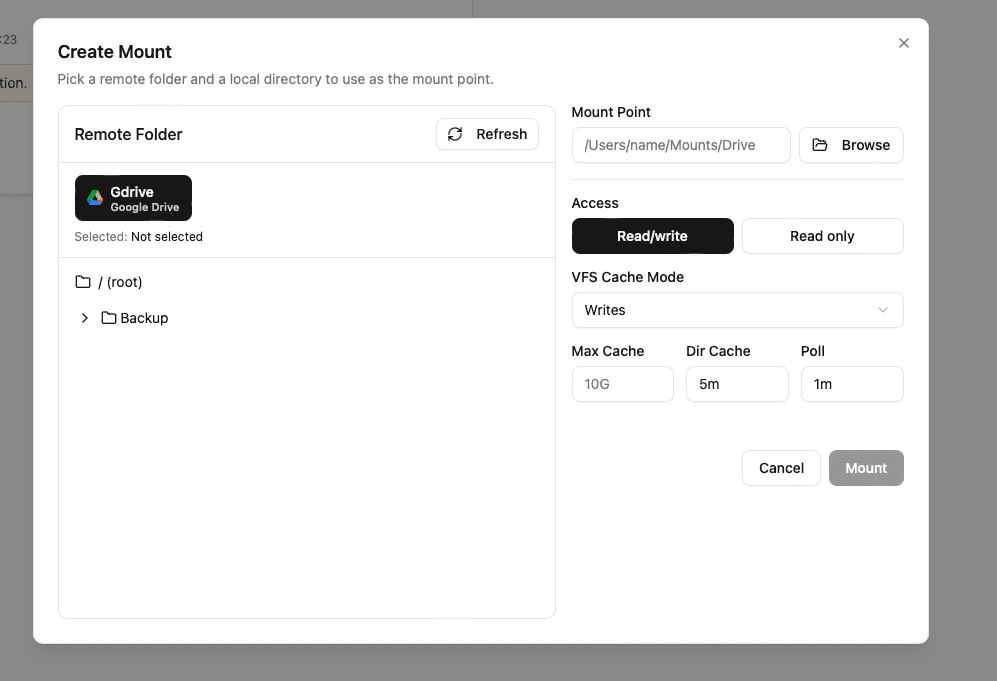
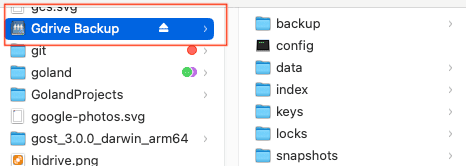
The combination of Microsoft's OAuth sign-in and OurClone's mount engine gives you a OneDrive that genuinely feels like a local volume on macOS — no full-disk mirror, no Microsoft helper agent running in the background, just files where you expect them.
The Same Mount on Windows (WinFsp Required)
OurClone's Windows build uses the identical Add Storage → Mount → New Mount flow, with two differences:
- 🧩 Install WinFsp first — Mounting on Windows relies on WinFsp (Windows File System Proxy), a free, open-source driver that lets OurClone expose OneDrive as a real Windows volume. Install it once before your first mount — without it the mount won't start. macOS needs nothing extra.
- 🖥️ Use an empty folder as the mount point — for example
C:\CloudMounts\OneDrive. The mount then appears under "This PC" in File Explorer, and every Windows app can open and save into it.
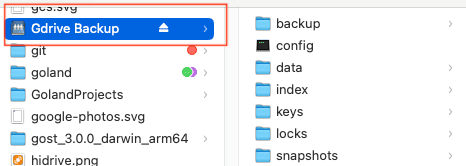
Read-only versus read-write, the polling interval and the cache size behave exactly as described above, and the same token issues apply: if the mount stops listing files, re-authorize OneDrive under Add Storage and remount. To double-check an upload, open the OneDrive web app — what File Explorer shows in the mount point should match.
Getting the Most Out of Your OneDrive Mount
A live mount is convenient, but it behaves slightly differently from a synced folder. Keep these in mind once your OneDrive mount is up and running.
- 🔁 Edits Sync Both Ways — Anything you add, rename, or delete in the mounted folder propagates to OneDrive. Changes made on other devices appear after the next poll cycle.
- 🛑 Read-Only Means Read-Only — If you mounted with read-only permissions, drag-and-drop uploads and Save dialogs will fail silently or with a permissions error. Remount as read-write to enable uploads.
- 💽 Cache Lives on Your Mac — Recently opened files are cached locally for speed. If your Mac is low on disk space, reduce the max cache size in the mount settings.
- ⏱️ Polling Interval Affects Freshness — A short polling interval picks up remote changes faster but increases API calls. For OneDrive, a 30–60 second interval is usually a good balance.
- 🔌 Unmount Cleanly Before Sleep — If you put your Mac to sleep with the mount active, OurClone will reconnect automatically on wake. For long absences, click Unmount in the Mount tab to release the volume.
When Your Mount Stops Working
Most mount failures trace back to one of a few causes: an expired or revoked OAuth token (Microsoft sometimes forces re-authorization after a password change or a Conditional Access policy update on work accounts), a network drop, or a mount point that's no longer empty. If your OneDrive mount returns errors or refuses to list contents, the fastest fix is usually to unmount, re-authorize OneDrive under Add Storage, and remount. On Microsoft 365 Business accounts, double-check with your admin that third-party app access is permitted.
Verify the Sync Anytime
Any time you're unsure whether a file made it up, you have two easy checks: open the OneDrive storage view inside OurClone's file browser, or log straight into the OneDrive web portal. Whatever Finder shows in your mount point should match — and if it doesn't, give it a poll cycle and check again.